
Researchers at the Technion : 100 % of new Israel apartments has construction defects – Real Estate – Marker
Researchers at the Technion : 100 % of new Israeli apartments have construction deficiencies Technion researchers have discovered what apartment buyers have known for years – construction in Israel is done at a low level , by employees who were trained and supervised by professional inspectors , some of whom have no interest to disclose defects Balconies collapse of Gindi Investments project was case specific room , but he returned home buyers from all contractors recurring question : Why apartments that cost millions constructed with so many construction defects ? Contractors say they are building under the law and regulations , but these are not saying you can not build bad . Building defects are now serious illness of the construction industry , which spread like an epidemic and it seems that you can not stop it. The presumption is that perfect apartment – from simple deficiencies of broken tiles to serious liquidity and not per device construction , and those that offer to get things natural law .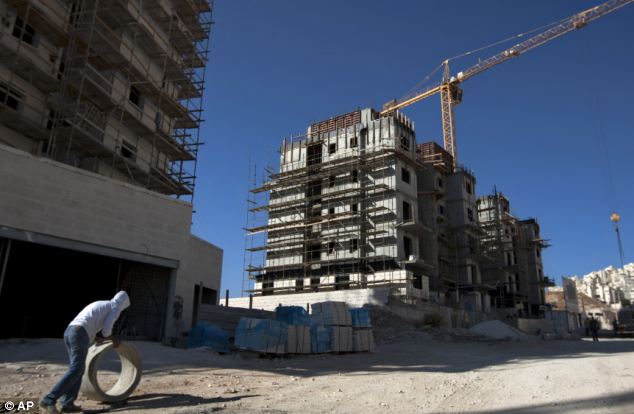 Side are all factors that should be considered an authority of supervision and control of the industry , led by the Ministry of Housing and Construction – especially the Registrar of Contractors and the local planning and construction, are careless , lack of control and lack of interest in quality of construction, as long as catastrophe occurs . Thus , there is no official state given the build quality – not the quantity of faults , not on the claims and the rating companies that build at the lowest level . In fact, one thing well done. It was in 2007 , when the Ministry of Housing invited Technion research work on building defects . The researchers , Prof. Yehiel Rosenfeld , head of program construction management at the Technion , and Dr. Hanan Ben Oz , studied for the Department of Housing and the roots of this phenomenon in several studies , and the first time quantified the causes of faults – and came to the findings difficult . Latest study was published in 2010 and gives an unequivocal answer contractors , who said in response to public demands for increased supervision on construction that must be satisfied by the existing supervision . study revealed that supervisors of entrepreneurs hardly find the building defects ( only 3 % of them ) , while the tenants , after receiving the key, identified 20 % of the defects . This is a major finding , that only represents how the industry Israel impaired. In fact, the picture that emerges from it is not only deficits are no exception – they have become an integral part of the construction . When building contractors are already pricing in the deficiencies in the price of the apartment , and taking into account that for years they will encounter tenants are nervous and lawsuits . Study examined Oz Ben Rosenfeld 100 construction defects in construction companies certified to ISO -9000 . This projects which were on average 48 apartments on an average area of 115 square meters (gross ) apartment. Every construction site employed an average of 48 employees, of which less than 10 % were employed by the main contractor , 10 % of workers were foreigners , 78% of Israeli Arab sector and 10 % Jewish. Root of the problem found Rosenfeld Weber Oz is not skilled workforce that works in the field. Most workers are being trained in Formal construction work and studying it in motion – they are copying mistakes other workers and produce a new set of errors invention . Manpower also changes frequently – there’s no construction workers doing the work all their lives. “If you take it as a given rather than having revolutionized the field of construction workers , so need to do everything we are able to do – to train professional personnel whose sole function would be to prevent construction defects . They must be experts understand the methods of implementation and study the people involved how to build true. Instead of Inspectors more revealing mistakes after the fact, we need counselors professional construction sites , not to let the workers make a mistake in the first place . this thinking long-term and the difficulty is to break the cycle we are. currently has a practice known that rolling the responsibility for quality construction from one source to another, and no one is willing to put pocket to change the behavior . should subsidize the training of engineers and construction quality . construction companies have to pay any more of a building site engineer’s work , but they will save twice as much money on damage and construction defects , “says Rosenfeld . Construction defects Deficiencies are no exception – they have become an integral part of the construction Photo: Moti Eliezer Milrod In such a situation , the role of building inspectors should be critical , but as exposed by research – they do not find almost anything and responsibilities relates more to the business side of the project , such as meeting schedules and monitoring of quantities of building materials entering the construction site . Another issue is Slmfkhim no interest to whistleblowers and gate construction inhibitors for exposing flaws , and sometimes they are not professional enough. Rosenfeld said , “Sometimes they have not received sufficient training in the subject of building defects and are not looking for the eclipse. Has also a problem of responsibility – the Commissioner on behalf of the developer does not want to put himself in the matter for fear of falling responsibility , whereas the responsibility lies with the contractor .”
Much of the Israeli apartments construction defects covert
Poor construction price. ” We pay now , without knowing it, 10% of construction costs for the lack of quality. Costs of non- quality include repairs , buying more materials , lengthening the duration of execution and legal costs ,” he estimates . This is a significant percentage . According to the study , even the cost of their repair defects negligible create a heavy financial weight on the construction industry . Because of the number of minor flaws , the amount of the cost, which have a bearing on the overall cost of the project. In addition , many of the defects hidden from view because they are small and not documented in the quality control of the construction site , but entrepreneurs tend to price them in the calculation of project costs based on past experience . As the fault was revealed later – higher repair cost . Thus, according to the study, created a three – stage : the flaws begin to workers , called the study ” creators deficiencies ” ; Then there are foremen and workers who come to build in the later stages , but prefer to ignore the defects , and are called the study ” undecided The deficiencies ” and finally reach the ” debunkers deficiencies “many cases are homebuyers . But when the recent reveal the defect occupancy cost of repair is very high , often accompanied by a legal skirmish with the contractor . Beyond price and time paying buyers and construction companies handling plentiful building defects , there is an acute problem – not all defects can be repaired after delivery of the apartments , and problems such as glitches stone cladding and cutting hard all sealing correctly and liquidity may cause the buildings remain disabled forever , with patches of plaster periodic they need to pass . In light of this reality , which is priced by the developers , Rosenfeld estimates that 100% of the new apartments have something wrong . ” The question is whether this impairment can be used to it or it is very serious . Should remember that products are built – one hand they are a prototype , which is a defective product definition. Automobile industry , for example , initially produce hundreds or even thousands of cars which are a prototype , they undergo many tests , crash tests and rounds of improvements before starting mass production . construction industry give their prototypes directly to the user . , but precisely because it is not possible to reach zero defects, our duty to do everything possible to minimize the frequency and severity , “he explains . The number of claims is estimated now that there are not sufficient, even though the likes of which recorded a large increase in recent years. “What comes to court it the beginning of the deficiencies . These more serious things or those who failed to reach a compromise . Usually try to resolve the matter repairs or compensation . Entrepreneurs no power headache . They want to deal with the next project rather than queue up a previous project . This natural behavior to dissolve the respective responsibility : operations and materials suppliers . as you put more and more share the responsibility , share of each factor is reduced , and the sad result is that at the end of the housing stock has about 2.5 million homes of which are disabled and damaged . ”
Not expected to change soon
As we shall Status – poor construction and lack of concern of the regulator – No changes are expected in this area in the near future . But Rosenfeld suggest examining the British model , treating the problem of quality of construction . “The UK is working NHBC – National Council for the construction of houses, there are more than 70 years . This is a private entity that actually works as a sort of government body . Exchange for payment of the developer is giving close monitoring critical parts of the building . Britain developers are not obliged to work, and yet 85 % of the dwellings are monitored NHBC . gives it quiet and professional stamp . eyes it is significant tenant and the tenant really getting a better product . difficult to imagine anyone buy an apartment from a contractor who does not get the recognition of the NHBC . ” According to him , the cost is 0.7 % of the total price of the apartment (including cost of land ) , that plug apartment costing 1.5 million will be about 11 thousand shekels. ” If the model will be implemented initially in Israel it would cost at least double – even the addition of 2 % . Britain is lower that the control should not be so tight , as most things are done correctly anyway. Term perspective, we should pay this price willingly , “he explains . Is it possible to completely erase building defects ? Probably not . ” Every building has flaws. Has little to back any project – the same people doing the same job and there is a learning curve ,” says Rosenfeld , adding that the situation in Israel is different from other abuse . ” Israel returning again and again to those deficiencies. Has no organized method of learning lessons and will prevent a repetition of mistakes and that’s the sad thing . Repeating the same mistakes over and over again and fight for them in court deficiencies . Only a small part of the lessons embedded in the future. ” Building is built of many components and many hands build it , each is a small screw . Has a sequence , a plasterer , a aluminum and each one has an interest to fix the mistake of his predecessor . If mason left a small opening in the window , one aluminum will try to improvise a way to put it together without delaying the itself. If an engineer at a construction site his focus will be on quality of construction , chances are that most will avoid execution errors . ” The motto should be to invest a little in prevention rather than investing a lot in repairing sad result . Could exert control systems efficiency during construction and not use just any supervision. Should train 100 engineers at least their expertise will be ensuring the quality of construction . They will pass on construction sites and guide the workers how to work correctly – it prevent deficiencies. possible to make sure you do a good job and will need sparring after delivery of the unit . better to invest in prevention than treatment after it faults . they will work with the contractor and not against it. better to invest in prevention than paying voluntary reluctantly the highest payment for ongoing and frustrating . ” But what seemed painful problem of consumer homebuyers and sectoral serious problem on the part of the Technion, hysteria is not justified in the eyes of the contractors . ” Created a crazy claims that in most cases do not stand behind something. This method wholesale and working in the construction supervisors – a market where all kinds of inspection and assessors working on percent success . Place here is an industry of construction defects sees contractor body with a deep pocket . Rather than clarify the claims to the end , the courts prefer to impose liability on contractors and shorten mediation proceedings or compensation , “protests Mr. Eliab son of Simon , CEO of the Association of builders country. According to him, ” This industry is not justified and not based of false claims . While a contractor not according to the standard and the standard, the right of a tenant to sue him . Every contractor should build quality and according to the law. Anyone injured can turn to the courts and require repair or restitution or contact the Arbitration Institute of the Association of builders in the country – it’s a service we provide to tenants and we can also force the contractor to correct deficiencies . we have a commitment to customers and we need to intervene somewhere – even if it sounds we’re biased. attentive ear to our tenants . ” Builders Association country no written documentation of the number of dwellings that need to undergo a series of repairs after occupancy . But Ben Shimon strongly rejects the sense that almost every apartment is given any defect or contractors once built higher quality. He said , ” No statistics say the last two years has more construction defects and I do not think that situation. This product intensive systems and processes . ‘s Product is heavy. , I can say the level of data we want to provide the best product at the best times . We have courses for contractors related disabilities construction , supervision and control , and we have an institution for settling disputes . ”
Israeli apartments construction defects led to discussions of legal foundations of 15 years
The following story may illustrate why entrepreneurial firms receive indifferently performed faulty construction of their projects – there’s a chance the deficiencies are not discovered , or discovered after the expiration of the warranty , and in some cases now eroding the buyers in lengthy debates in court . Six weeks ago, the Supreme Court panel three judges, headed by Judge Daphne Barak-Erez , claim construction defects in the building in the Ramot neighborhood in Be’er Sheva. The ruling relates the horrific scenario of each purchaser Apartment : cracks in the walls , fear for the stability of the building , declaring the building as dangerous and ongoing lawsuit from 1998 . In the past 15 years engaged home buyers peace project levels Nahman Avigad street legal action for impairment of apartments purchased for Diamonds burst . The apartments are given in -1996-1997 already in 1998 were emerging cracks in the walls of the houses. Yahalomit broke fixing the cracks , but not solved the problem permanently . So began Mask of further requests from tenants , and while the company tried to find the root of the problem in cooperation with the National Building Research Institute at the Technion , a new concern arose stability of the building and the city announced the prohibition of use of five apartments in the building for a few months. Residents returned to their rightful home just after another round of repairs. In the same year claimed five purchasers by Udi dinner from Cohen , Saudi Co. society to cancel the sales agreement with it and get their money back plus compensation . Following additional round of repairs , replace tenants demand the cancellation of the sale agreement demand compensation for impairment value and aggravation . Provision was almost up until the middle 2012 , at the Be’er Sheva District Court when Justice Ruth Avida paragraph in favor of buyers compensation for impairment despite the amendments amount to NIS 460 thousand , 65 thousand shekels plus compensation for mental anguish every family . Yahalomit Perez appealed the scope of responsibility attributed to her formation of defects and the amount of compensation which , and turned to the Supreme Court , a decision similar to that of the District and strengthened it . Appeal, the company tried to roll after two hired professionals – Engineer and Consultant soil skeleton . But Judge Daphne Barak-Erez stated that ” no doubt that a company undertakes the task of establishing a structure bears the tenants responsibility to risks arising from the project and that could predict . Society outline of the project , she hires the services of relevant professionals and the Purchaser the other means of production necessary for the construction of the building. it also markets project and signed a sales agreement to front occupants. construction company is liable for the damage sought to lay at the door of consultants . ” Summarizing the verdict , the judge wrote : ” Examination of the case evokes sorrow. Ever internalization of the importance in establishing foundations no shortcuts led to the tenants for the years of suffering. Primary responsibility lies at the doorstep of the construction company . , As we have seen, some of the responsibility lies also the opening of the engineer . Desire to download in housing prices can not pit the price of shortcuts which yield events of the type in question , and in other cases may even lead to the soul. adherence to these matters can not be considered unnecessary , but essential . “
ליקויי בניה בדירות : חוקרים בטכניון גילו את מה שרוכשי הדירות יודעים כבר שנים – הבנייה בישראל נעשית ברמה נמוכה, על ידי עובדים שלא עברו הכשרה ומפוקחת על ידי מפקחים לא מקצועיים, שלחלקם אין אינטרס לחשוף ליקויים
- מאת: רז סמולסקי
מדובר בממצא מרכזי, שרק מסמל עד כמה הענף בישראל לקוי. למעשה, התמונה שעולה ממנו היא שלא רק שליקויים אינם יוצאי דופן – הם נהפכו לחלק אינטגרלי מהבנייה. כשקבלנים בונים הם כבר מתמחרים את הליקויים בתוך מחיר הדירה, ומביאים בחשבון שבמשך שנים הם ייתקלו בדיירים עצבנים ובתביעות משפטיות.
שורש הבעיה שמצאו רוזנפלד ובר עוז, הוא כוח האדם לא מיומן שפועל בתחום. רוב העובדים אינם עוברים הכשרה במסגרות פורמליות לעבודת הבנייה ולומדים אותה תוך כדי תנועה – כך הם מעתיקים טעויות מפועלים אחרים ומייצרים סט חדש של טעויות פרי המצאתם. כוח האדם גם מתחלף בתדירות גבוהה – כבר אין פועלי בניין שעוסקים במלאכה כל חייהם.
“אם לוקחים זאת כנתון ולא עורכים מהפכה בתחום פועלי הבניין, אז צריך לעשות מה שבכוחנו לעשות – להכשיר כוח אדם מקצועי שתפקידם הבלעדי יהיה למנוע ליקויי בנייה. הם חייבים להיות מומחים שיבינו את שיטות הביצוע וילמדו את העוסקים במלאכה איך לבנות נכון. במקום מפקחים נוספים שיגלו את הטעויות לאחר מעשה, אנו זקוקים למדריכים מקצועיים באתרי הבנייה, שלא יניחו לפועלים לטעות מלכתחילה. זו מחשבה ארוכת טווח והקושי הוא לפרוץ את המעגל שאנו נמצאים בו. כיום יש פרקטיקה מוכרת שבה מגלגלים את האחריות לאיכות הבנייה מגורם אחד למשנהו, ואף אחד אינו מוכן להכניס יד לכיס כדי לשנות את ההתנהלות. צריך לסבסד הכשרת מהנדסי איכות בנייה. חברות הבנייה צריכות לשלם בכל אתר בנייה עוד שנת עבודה של מהנדס, אבל הם יחסכו כפליים כסף על נזקים וליקויי בנייה”, אומר רוזנפלד.
חלק ניכר מהליקויים נסתרים מהעין
לבנייה לקויה יש מחיר. “אנו משלמים כיום, בלי לדעת על כך, 10% מעלויות הבנייה על היעדר איכות. עלויות אי־איכות כוללות תיקונים, קניית חומרים נוספים, התארכות משך הביצוע ועלויות משפטיות”, הוא מעריך. מדובר באחוז משמעותי. על פי המחקר, גם ליקויים שעלות התיקון שלהם זניחה יוצרים משקולת כלכלית כבדה על ענף הבנייה. בגלל מספרם הרב של הליקויים הקטנים, לסכום עלות התיקון שלהם יש השלכה על העלות הכוללת של הפרויקט. בנוסף, חלק ניכר מהליקויים נסתרים מהעין מפני שהם קטנים ולא מתועדים במערכות בקרת האיכות של אתר הבנייה, אך יזמים נוהגים לתמחר אותם בחישוב עלויות הפרויקט על סמך ניסיון העבר. ככל שהליקוי נחשף בשלב מאוחר יותר – עלות תיקונו גבוהה יותר. כך, לפי המחקר, נוצרה מערכת תלת־שלבית: הליקויים מתחילים בפועלים, המכונים במחקר “יוצרי הליקויים”; אחריהם באים מנהלי העבודה והעובדים שבאים לבנות בשלבים המאוחרים יותר, אך מעדיפים להתעלם מהליקויים, ומכונים במחקר “הפוסחים על הליקויים”; ולבסוף מגיעים “חושפי הליקויים”, שבחלק ניכר מהמקרים הם רוכשי הדירות. ואולם כשהאחרונים חושפים את הליקוי לאחר האכלוס, עלות התיקון גבוהה מאוד, ופעמים רבות היא מלווה בהתכתשות משפטית עם הקבלן.
מעבר למחיר והזמן שמשלמים הרוכשים וחברות הבנייה בטיפול בשפע ליקויי הבנייה, יש בעיה אקוטית – לא את כל הליקויים אפשר לתקן אחרי מסירת הדירות, ובעיות כמו תקלות בחיפוי אבן והגזירה הקשה מכל, איטום נכון ונזילות, עלולות לגרום לבניינים להישאר נכים לעד, עם תיקוני פלסטר תקופתיים שהם צריכים לעבור. לאור המציאות הזו, שגם מתומחרת על ידי היזמים, רוזנפלד מעריך כי ב–100% מהדירות החדשות יש ליקוי כלשהו. “השאלה היא אם זה ליקוי שאפשר להתרגל אליו או שהוא חמור מאוד. חייבים לזכור שמוצרים שנבנים אחד־אחד בידיים הם בגדר אבטיפוס, שהוא מוצר פגום בהגדרה. בתעשיית המכוניות למשל, מייצרים בתחילה מאות ואף אלפי מכוניות שהן בגדר אבטיפוס, הן עוברות מבדקים רבים, מבחני ריסוק וסבבים של שיפורים לפני שמתחילים את הייצור ההמוני. בענף הבנייה מוסרים את אבות הטיפוס ישירות למשתמש. אבל דווקא משום שאין אפשרות להגיע לאפס ליקויים, חובתנו לעשות הכל כדי למזער את שכיחותם וחומרתם”, הוא מסביר.
לא צפוי שינוי בקרוב
כפי שנראה המצב כיום – בנייה ירודה וחוסר אכפתיות של הרגולטור – לא צפוי לחול שינוי בתחום הזה בעתיד הקרוב. ואולם רוזנפלד מציע לבחון את המודל הבריטי, לטיפול בבעיית איכות הבנייה. לדבריו, “בבריטניה פועלת NHBC – המועצה הלאומית לבניית בתים, שקיימת יותר מ–70 שנה. זה גוף פרטי שלמעשה עובד כמעין גוף ממשלתי. תמורת תשלום של היזם היא נותנת ליווי צמוד לחלקים הקריטיים של הבנייה. בבריטניה היזמים לא מחויבים לעבוד עמם, ובכל זאת 85% מהדירות נמצאות תחת פיקוח NHBC. זה נותן שקט וחותמת מקצועית. בעיני הדייר זה משמעותי ובאמת הדייר מקבל מוצר טוב יותר. קשה לתאר שמישהו יקנה דירה מקבלן שלא מקבל את ההכרה של NHBC”.
לדבריו, העלות היא 0.7% מהמחיר הכולל של הדירה (כולל עלות הקרקע), כלומר התוספת לדירה שעלותה 1.5 מיליון שקל תהיה כ–11 אלף שקל. “אם המודל ייושם בישראל זה יעלה בהתחלה כפול לפחות – אפילו תוספת של 2%. בבריטניה המחיר נמוך יותר כי הבקרה כבר לא צריכה להיות צמודה כל כך, שכן רוב הדברים נעשים בצורה נכונה ממילא. בראייה ארוכת טווח כדאי לנו לשלם את המחיר הזה בחפץ לב”, הוא מסביר.
האם אפשר למחוק לחלוטין את ליקויי הבנייה? כנראה שלא. “בכל בניין יש פגמים. יש מעט חזרה בכל פרויקט – אותם אנשים עושים את אותה עבודה ויש עקומת למידה”, משיב רוזנפלד ומוסיף כי המצב בישראל שונה לרעה ממדינות אחרות. “בישראל חוזרים שוב ושוב על אותם ליקויים. אין שיטה מסודרת של לימוד לקחים ומערכת שתמנע חזרה על טעויות וזה הדבר העצוב. חוזרים על אותן הטעויות שוב ושוב ומתקוטטים על אותם ליקויים בבתי משפט. רק חלק קטן מהלקחים מוטמע לגבי העתיד.
“המוטו צריך להיות להשקיע מעט במניעה במקום להשקיע המון בתיקון התוצאה העגומה. אפשר להפעיל מערכות בקרה יעילות בזמן הבנייה ולא להשתמש בסתם פיקוח. צריך להכשיר 100 מהנדסים לפחות שהתמחותם תהיה הקפדה על איכות הבנייה. הם יעברו באתרי בנייה וינחו את הפועלים איך לעבוד נכון – זה ימנע ליקויים. אפשר לוודא שעושים עבודה טובה ולא יהיה צורך להתכתש אחרי מסירת הדירה. עדיף להשקיע במניעה מאשר בטיפול אחרי זה בליקויים. הם יעבדו עם הקבלן ולא נגדו. עדיף להשקיע מרצון במניעה מאשר לשלם בחוסר רצון את התשלום הגבוה על טיפול מתמשך ומתסכל”.
ואולם מה שנראה כבעיה צרכנית כואבת של רוכשי הדירות ושל בעיה ענפית חמורה מצד אנשי הטכניון, נתפש כהיסטריה לא מוצדקת בעיני הקבלנים. “נוצרה מערכת מטורפת של תביעות שברוב המקרים לא עומד מאחוריהן משהו. זו שיטה סיטונית ועבודה של מפקחי בנייה – שוק שבו כל מיני חברות פיקוח ושמאים עובדים על אחוזים מההצלחה. נעשתה כאן תעשייה של ליקויי בנייה שרואה בקבלן גוף עם כיס עמוק. במקום לברר את התביעות עד הסוף, בתי המשפט מעדיפים להטיל אחריות על קבלנים ולקצר הליכים בגישור או בפיצוי”, מוחה עו”ד אליאב בן שמעון, מנכ”ל התאחדות בוני הארץ.
לטענתו, “זו תעשייה לא מוצדקת ולא מבוססת של תביעות סרק. כשקבלן לא עבד לפי הסטנדרט והתקן, זכותו של דייר לתבוע אותו. כל קבלן צריך לבנות באיכות ולפי החוק. מי שנפגע יכול לפנות לבתי משפט ולדרוש תיקון או פיצוי כספי או לפנות למוסד הבוררות של התאחדות בוני הארץ – זה שירות שאנו נותנים לדיירים ואנחנו יכולים גם לכפות על קבלן לתקן את הליקויים. יש לנו מחויבות ללקוחות ואנו מתערבים איפשהו שצריך – גם אם זה נשמע שאנחנו מוטים. האוזן שלנו קשובה לדיירים”.
בהתאחדות בוני הארץ אין רישום ותיעוד של מספר הדירות שצריכות לעבור סדרת תיקונים אחרי האכלוס. ואולם בן שמעון דוחה בתוקף את התחושה שכמעט כל דירה נמסרת עם פגם כלשהו, או שפעם הקבלנים בנו באיכות גבוהה יותר. לדבריו, “אין סטטיסטיקה שאומרת שבשנתיים האחרונות יש יותר ליקויי בנייה ואני לא חושב שזה המצב. זה מוצר עתיר מערכות ותהליכים. מדובר במוצר כבד. אני יודע להגיד ברמת הנתונים שאנו רוצים לספק את המוצר הטוב ביותר בזמנים הטובים ביותר. יש לנו קורסים לקבלנים בנושא ליקויי בנייה, פיקוח ובקרה, ויש לנו מוסד ליישוב סכסוכים”.
הליקויים ביסודות הובילו לדיונים משפטיים של 15 שנה
הסיפור הבא יכול להמחיש את הסיבה לכך שחברות יזמיות מקבלות בשוויון נפש את הבנייה הלקויה שמבוצעת בפרויקטים שלהן – יש סיכוי שהליקויים לא יתגלו, או שיתגלו אחרי פקיעת האחריות, ובמקרים מסוימים החברה שוחקת את הרוכשים בדיונים ממושכים בבתי משפט. לפני כחודש וחצי דן בית המשפט העליון בהרכב בן שלושה שופטים, בראשות השופטת דפנה ברק ארז, בתביעת ליקויי בנייה בבניין בשכונת רמות בבאר שבע. פסק הדין מגולל את תסריט האימה של כל רוכש דירה: סדקים בקירות, חשש ליציבות המבנה, הכרזה על הבניין כמסוכן ותביעה מתמשכת מ–1998.
ב–15 השנים האחרונות עסוקים רוכשי דירות בפרויקט רמות שלום ברחוב נחמן אביגד בתביעה משפטית בגין ירידת ערך הדירות שרכשו מחברת יהלומית פרץ. את הדירות הם קיבלו ב–1996–1997 וכבר ב–1998 החלו להתגלות סדקים בקירות הבתים. יהלומית פרץ תיקנה את הסדקים, אך לא באופן שפתר את הבעיה באופן סופי. אז התחילה מסכת של פניות נוספות מצד הדיירים, ובעוד שהחברה ניסתה לאתר את שורש הבעיה בשיתוף המכון לחקר הבנייה בטכניון, עלה חשש חדש ליציבות הבניין והעירייה הודיעה על איסור שימוש בחמש דירות בבניין למשך כמה חודשים. הדיירים חזרו למעונם רק אחרי סבב נוסף של תיקונים.
באותה שנה תבעו חמשת הרוכשים, באמצעות עו”ד אודי ערב ממשרד כהן, ערב ושות’ את החברה, בדרישה לבטל את הסכמי המכר עמה ולקבל את כספם בחזרה בתוספת פיצוי. לאחר סבב התיקונים הנוסף, החליפו הדיירי את הדרישה לביטול הסכם המכר בדרישת פיצוי בגין ירידת ערך ועוגמת נפש.
הפרשה כמעט הגיעה לסיום רק באמצע 2012, בבית המשפט המחוזי בבאר שבע, שעה שהשופטת רות אבידע פסקה לטובת הרוכשים פיצוי בגין ירידת ערך למרות התיקונים בגובה 460 אלף שקל, בתוספת 65 אלף שקל פיצוי עבור עוגמת נפש לכל משפחה. יהלומית פרץ עירערה על היקף האחריות שיוחס לה להיווצרת הליקויים וגובה הפיצויים שבו, ופנתה לבית המשפט העליון, שקיבל החלטה דומה לזו של המחוזי ואף חיזק אותה.
בערעור ניסתה החברה לגלגל את האחריות לשני אנשי מקצוע ששכרה – מהנדס השלד ויועץ הקרקע. ואולם השופטת דפנה ברק ארז קבעה כי “לא יכול להיות ספק כי חברה שנוטלת על עצמה את התפקיד של הקמת מבנה היא הנושאת כלפי הדיירים באחריות לסיכונים הנובעים מן הפרויקט ושאותם יכלה לחזות. החברה מתווה את הפרויקט, היא שוכרת את שירותיהם של אנשי המקצוע המתאימים והיא הרוכשת את אמצעי הייצור האחרים הדרושים לצורך הקמת המבנה. היא גם משווקת של הפרויקט וחותמת על הסכמי המכר מול הדיירים. חברת הבנייה היא הנושאת באחריות לנזקים שביקשה לגלגל לפתחם של היועצים”.
בסיכום הכרעת הדין כתבה השופטת: “בחינת המקרה מעוררת צער. אי הפנמה של החשיבות הנודעת להקמת יסודות ללא קיצורי דרך הובילה את הדיירים לשנים של סבל. האחריות העיקרית רובצת לפתחה של חברת הבנייה. כפי שראינו, מקצת האחריות רובצת גם לפתחו של המהנדס. השאיפה להורדת מחירים בתחום הדיור לא יכולה לבור במחיר של קיצורי דרך המולידים אירועים מן הסוג דנן, ובמקרים אחרים עלולים אף להוביל לפגיעות בנפש. ההקפדה בעניינים אלה אינה יכולה להיחשב מיותרת, אלא חיונית”.